

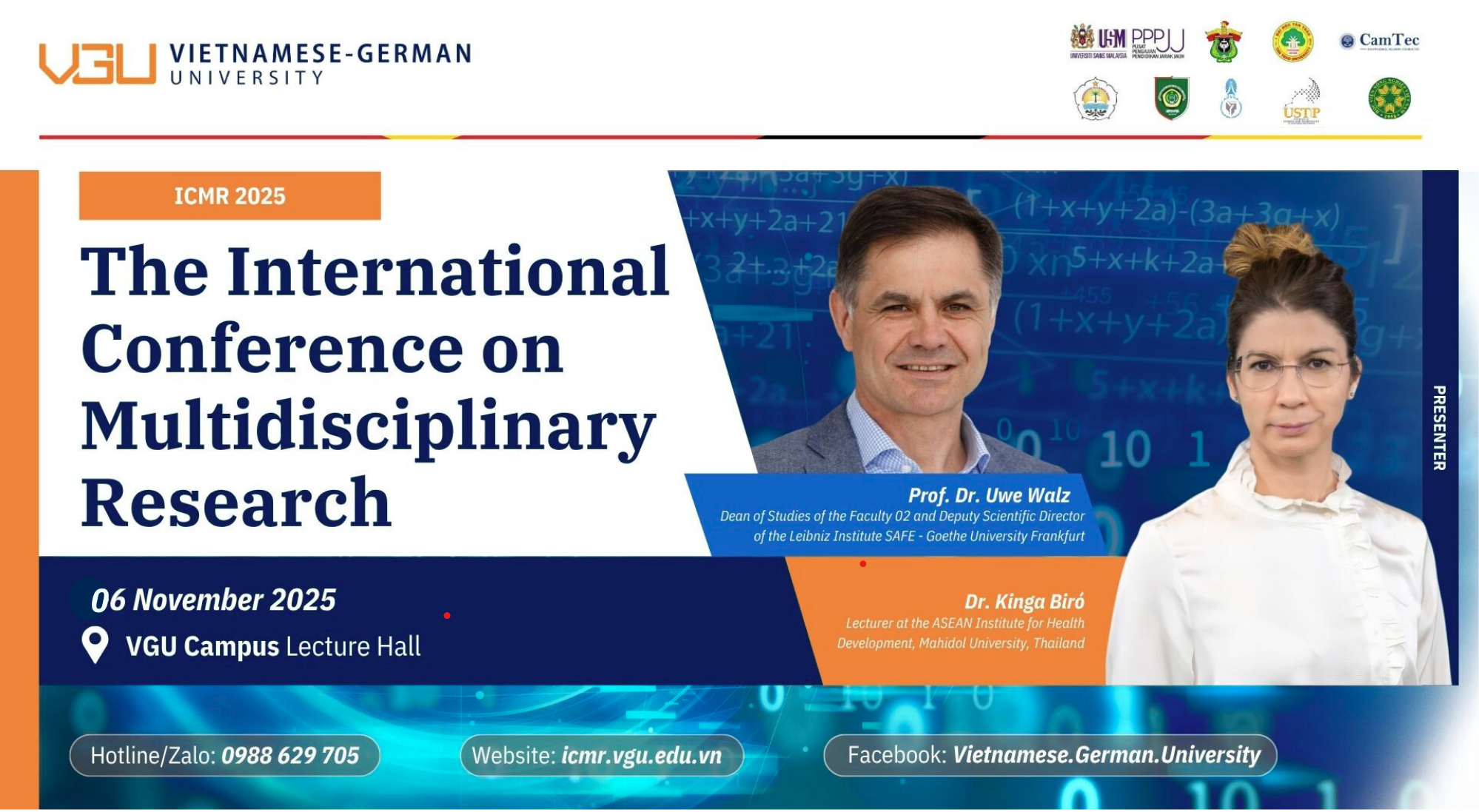
Prof. Dr. Uwe Walz
Professor of Economics, Goethe University Frankfurt
About
Prof. Dr. Uwe Walz received his Ph.D. in Economics from the University of Tübingen in 1991 and completed his habilitation at the University of Mannheim in 1995. Before joining Goethe University Frankfurt in 2002, he was a Professor of Economics at the University of Bochum (1995–1997) and the University of Tübingen (1997–2002), and a visiting research fellow at the London School of Economics and the University of California, Berkeley.
Currently, he is Dean of Studies of the Faculty of Business Administration and Economics and Deputy Scientific Director of the Leibniz Institute SAFE at Goethe University Frankfurt. His main research areas include private equity, start-up and growth finance, and innovation economics.
Keynote Speech
Topic: “Competition and Bargaining: The Optimal Size of Buyer Groups”
This study investigates buyer groups, where downstream firms negotiate prices together with upstream suppliers while competing in the downstream market. Larger groups gain bargaining power for lower sourcing prices but face more downstream competition. Forming a partial buyer group can be optimal for some firms, although it may be too small from a welfare perspective.
Keywords: Upstream Bargaining, Downstream Competition, Buyer Groups
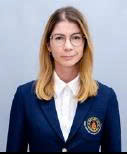
Kinga Biró, Ph.D.
Lecturer, ASEAN Institute for Health Development, Mahidol University
About
Dr. Kinga Biró received her Ph.D. in Business and Management from Budapest University of Technology and Economics (BME) in 2022, focusing on sustainable and innovative solutions in the agricultural and transport sectors. She has extensive experience in climate policy, sustainability research, and higher education across Hungary and Thailand. Currently, she lectures at Mahidol University and contributes to multiple international research projects on sustainability and energy transition.
Keynote Speech
Topic: “Resilience in Action: Can the EU Deliver its 2030 Energy and Climate Targets”
Dr. Biró examines the EU’s readiness to meet its 2030 energy and climate objectives. She highlights the challenges and strategies for achieving resilience in energy systems, focusing on policy, technological innovation, and sectoral sustainability. The speech emphasizes actionable solutions for the transition to a low‑carbon economy while maintaining energy security and economic stability.
Keywords: EU Energy Policy, Climate Targets, Resilience, Sustainable Transition, Low‑Carbon Economy